5 Best Reasons Packaging Equipment Requires Preventive Maintenance?

Time:2026-10-11 Author:Madeline
0%

Packaging lines rarely stop because of one dramatic failure. More often, a worn bearing, loose sensor, or clogged pneumatic filter interrupts production at the worst moment. That is why the question “why does packaging equipment require preventive maintenance” deserves a practical, evidence-based answer. Preventive maintenance protects throughput, product consistency, worker safety, and delivery commitments.

Deloitte’s 2017 predictive maintenance study reported potential downtime reductions of 35% to 45% and maintenance-cost reductions of 25% to 30%. These figures do not guarantee identical results for every plant. Equipment age, operator training, spare-parts control, and maintenance quality still matter. However, they show the financial scale of avoidable interruptions. The U.S. Department of Energy’s Operations & Maintenance Best Practices Guide also links effective maintenance with improved reliability, energy performance, and operating costs.

The packaging industry adds special pressure. High-speed conveyors, fillers, sealers, labeling units, and robotic pickers work in tightly connected sequences. One failed photoeye can leave cartons waiting, while a drifting sealing temperature can create costly rejects. Small defects spread quickly. Sometimes, maintenance teams react too late.

This article presents five strong reasons packaging equipment requires preventive maintenance. It examines fewer emergency repairs, more stable output, safer operations, longer asset life, and better cost control. The approach is not perfect. Inspection records can be incomplete, and schedules may need adjustment. Still, documented checks, vibration readings, lubrication routines, thermal inspections, and operator feedback create a more reliable foundation for packaging performance.
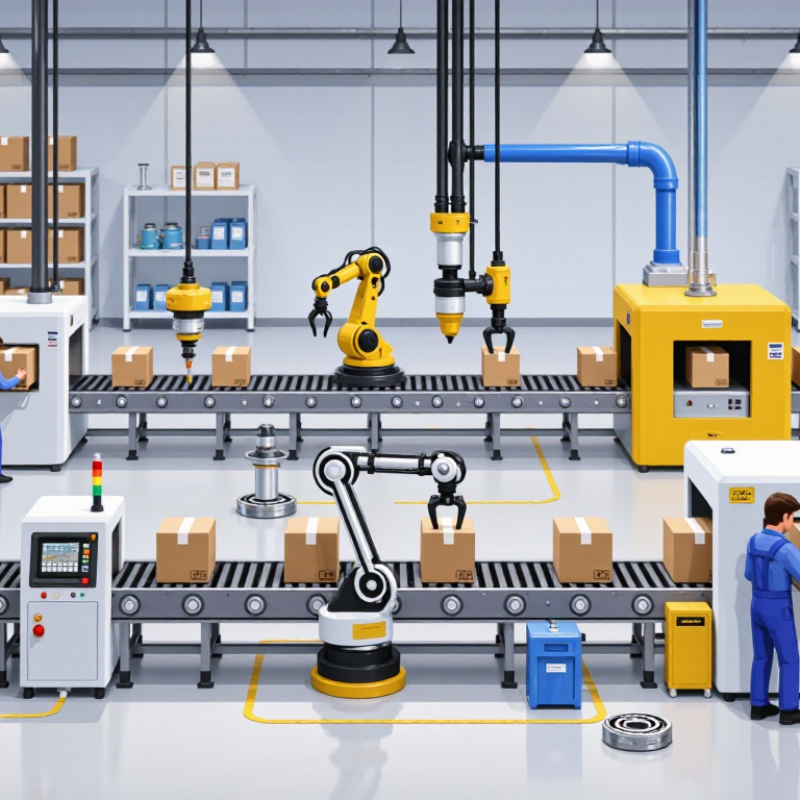
5 Best Reasons Packaging Equipment Requires Preventive Maintenance?

What Preventive Maintenance Means for Packaging Equipment

Preventive maintenance means planned care before packaging equipment fails. It is more than cleaning a machine after production stops. Technicians inspect moving parts, electrical connections, sensors, guards, belts, bearings, and sealing surfaces at scheduled intervals. The work follows operating hours, product conditions, and equipment history. Small faults grow.

In daily practice, a technician may find powder near a bearing, a loose terminal, or a worn guide rail. These details can explain inconsistent fills, crooked seals, or unexpected downtime. Cleaning must match the material, because excessive moisture can damage sensitive components. Lubrication also requires the correct amount and location. More grease is not always better. That mistake deserves attention.

Reliable maintenance includes measurements and records. Teams can track vibration, temperature, cycle counts, and rejected packages over time. These records help distinguish normal wear from a developing problem. A trained technician should follow the equipment manual and site safety procedures, then verify the repair with a controlled test run. Production pressure sometimes encourages skipped inspections. That decision may save minutes today but create hours of disruption later. Preventive maintenance also needs review, because an interval that worked last year may not suit a faster line, a harsher product, or a changed cleaning routine.

How Preventive Maintenance Reduces Equipment Downtime

Packaging equipment rarely fails without warning. Small defects usually appear before a major stoppage. A worn sealing belt, loose sensor bracket, or clogged air filter can gradually reduce line speed. Preventive maintenance helps technicians detect these issues during planned inspections. It supports five practical goals: earlier fault detection, steadier production, fewer emergency repairs, consistent packaging quality, and longer equipment life. Maintenance logs also reveal repeated problems, such as a motor overheating every Friday afternoon.

Downtime falls because planned work is shorter and more controlled than emergency repair. A technician can replace a damaged bearing during a scheduled changeover, instead of stopping production mid-shift. Cleaning photoelectric sensors may prevent miscounts and rejected packages. Checking air pressure can reduce actuator delays. These details matter. However, a checklist is not magic. If staff record inspections carelessly, hidden wear may continue. Teams should compare operating sounds, vibration, temperature, and output changes over time. That evidence supports better decisions.

Tips: Inspect high-wear parts weekly. Tighten loose fasteners. Clean sensors gently. Track repair duration and recurring faults. Keep critical spare parts available. Train operators to report unusual noise immediately. Do not postpone minor repairs because the line still runs. That assumption often becomes expensive.

5 Best Reasons Packaging Equipment Requires Preventive Maintenance

Preventive maintenance reduces equipment downtime by identifying wear, lubrication issues, alignment problems, electrical faults, and critical spare-parts risks before they cause production stoppages. The values shown are practical benchmark estimates for a packaging line and may vary by equipment type, operating hours, and maintenance maturity.

Why Regular Servicing Improves Packaging Quality

Preventive maintenance is not only about avoiding breakdowns. It directly protects packaging quality during daily production. In practice, worn sealing jaws can create weak seals, while misaligned guides may wrinkle labels or shift cartons. Regular servicing helps technicians detect these small changes before they become visible defects. Clean sensors also read product positions more accurately. That means fewer crooked packs, leaks, and unnecessary material waste. Quality becomes more consistent. Not perfect, though. Human checks still matter.

Tips: Inspect sealing surfaces, belts, sensors, and cutting tools on a fixed schedule. Record temperatures, pressure readings, and rejected units after each service visit. Compare the records over time. A sudden change often signals wear, even when the machine still runs. Ask qualified technicians to verify calibration and safety controls. Do not rely on sound alone; quiet equipment can still produce poor seals. One missed inspection can affect an entire shift.

Servicing also improves traceability. Clear maintenance records show when adjustments were made and why. This supports more reliable quality decisions and helps operators repeat successful settings. In my experience, rushed cleaning causes hidden residue around sealing areas. It may look harmless. Later, it can distort seal strength. Allow time for careful inspection, and question routines that no longer match actual production conditions.

How Maintenance Extends Equipment Service Life

Packaging equipment rarely fails without warning. Small changes usually appear first: a warmer motor housing, uneven seals, or unusual vibration near a conveyor bearing. Preventive maintenance catches these signals before they become expensive breakdowns. It also protects the equipment’s working life.

Technicians should inspect belts, chains, sensors, heaters, and pneumatic lines at scheduled intervals. Cleaning matters too. Dust and product residue can trap heat around motors and control panels. Proper lubrication reduces friction, while correct tension prevents premature wear.

Operators should record readings, replacement dates, and recurring faults. These records help maintenance teams identify patterns instead of guessing.

A practical service plan follows the equipment manual, operating hours, and production conditions. Machines running in hot, dusty areas need closer attention. Calibration checks also protect sealing quality and reduce rejected packages. In my experience, a five-minute inspection can prevent hours of emergency repair.

It is not always perfect. Production pressure sometimes delays a task, and that delay can create hidden damage. A missed bearing inspection may later involve a shaft, belt, and motor.

Replacement parts should match approved specifications, and trained personnel should perform adjustments. Over-tightening a fastener or using excess lubricant can cause new problems.

Careful maintenance extends service life because it controls wear, protects precision, and keeps equipment operating within safe design limits.

Why Preventive Care Improves Workplace Safety and Cost Control

5 Best Reasons Packaging Equipment Requires Preventive Maintenance?

Why Preventive Care Improves Workplace Safety and Cost Control

Preventive maintenance protects people before it protects production. A loose guard, damaged sensor, or leaking pneumatic line can create danger near conveyors and sealing stations. The U.S. Bureau of Labor Statistics reported 2.6 million nonfatal workplace injuries and illnesses in private industry during 2023. Packaging teams cannot assume routine work is automatically safe. Technicians should inspect interlocks, emergency stops, guarding, belts, chains, and electrical connections during planned shutdowns. Small defects are easier to control than sudden failures. They are also less disruptive.

Cost control depends on timing. A scheduled bearing replacement usually costs less than an emergency repair, product loss, or overtime response. The U.S. Department of Energy’s Operations & Maintenance Best Practices guide identifies potential energy savings of 5% to 20% through effective operations and maintenance. Clean sensors, aligned drives, and correctly lubricated components can reduce wasted motion and compressed-air loss. Preventive records also reveal recurring faults, helping managers budget parts and labor more accurately. No checklist is perfect. A missed lubrication point can still happen. That weakness deserves honest review, not denial. Workers should record unusual vibration, heat, noise, and seal wear while the details remain fresh. Five minutes beside a machine may prevent a night shift stoppage.

FAQS

What does preventive maintenance mean for packaging equipment?

It means planned care before equipment fails. Technicians inspect parts during scheduled intervals. Small faults grow.

Which parts should technicians inspect regularly?

They should check belts, bearings, sensors, guards, electrical connections, and sealing surfaces. They should also inspect guides and cutting tools.

How can maintenance improve packaging quality?

Servicing helps prevent weak seals, crooked labels, leaks, and shifted cartons. Clean sensors read product positions more accurately. Quality improves, but human checks still matter.

Why must cleaning methods match the material?

Excessive moisture can damage sensitive components. Residue near sealing areas may distort seal strength. Careful cleaning matters.

Is adding more lubricant always better?

No. Too much grease can create problems. Technicians should use the correct amount and location. This mistake deserves attention.

What records help identify developing equipment problems?

Teams can record vibration, temperature, cycle counts, pressure readings, and rejected packages. A sudden change may reveal wear before failure.

How does preventive maintenance support workplace safety?

Technicians inspect guards, interlocks, emergency stops, belts, chains, and electrical connections. A loose guard can create danger near moving equipment. Routine work is not automatically safe.

Can preventive maintenance reduce operating costs?

Scheduled part replacement usually costs less than emergency repairs and lost products. Clean sensors and aligned drives may reduce wasted motion. No checklist is perfect.

When should a maintenance schedule be reviewed?

Review it after production speed, product conditions, or cleaning routines change. An interval that worked last year may now be unsuitable. That possibility needs honest review.

Conclusion

Preventive maintenance for packaging equipment means performing scheduled inspections, cleaning, lubrication, calibration, and component replacement before problems occur. But why does packaging equipment require preventive maintenance? Regular care helps identify worn parts, loose connections, buildup, and alignment issues early, reducing unexpected breakdowns and costly production downtime. It also keeps machines operating consistently, which supports accurate filling, sealing, labeling, wrapping, and product handling. As a result, businesses can maintain more reliable packaging quality and reduce waste caused by damaged or incorrectly packaged products.

Routine servicing also extends equipment service life by reducing excessive wear and protecting critical mechanical and electrical components. In addition, well-maintained machinery creates a safer workplace by lowering the risk of malfunctions, leaks, sudden movements, and other operational hazards. Preventive maintenance improves cost control as well, because planned service is generally more affordable than emergency repairs, extended stoppages, rejected products, or premature equipment replacement. Overall, a structured maintenance program supports productivity, safety, quality, and long-term operational efficiency.

Madeline

Madeline

Madeline is a dedicated marketing professional with a wealth of expertise in our company's core offerings. With a keen understanding of the industry, she brings a unique perspective to her role, consistently delivering high-quality content that highlights the superior aspects of our products. As......