Why Are Manufacturers Upgrading Packaging Lines Today?

Time:2026-08-07 Author:Sophia
0%

In today's fast-paced market, many companies are asking, "why are manufacturers upgrading packaging lines?" The answer lies in evolving consumer demands. Customers now expect enhanced convenience, sustainability, and eye-catching designs. Outdated packaging may hinder a company’s ability to compete effectively.

Upgrading packaging lines presents a strategic choice. Companies can improve efficiency while minimizing waste. Moreover, advanced technologies like automation can streamline processes and reduce labor costs. However, the transition involves challenges. Manufacturers must balance costs with the need for innovation. These upgrades require significant investment and careful planning.

Ultimately, staying relevant is crucial in a competitive landscape. Manufacturers face the risk of being left behind if they stick to old methods. Each upgrade is a step forward, but it is essential to reflect on the implications. As companies navigate these changes, they must remain agile and responsive to market shifts.
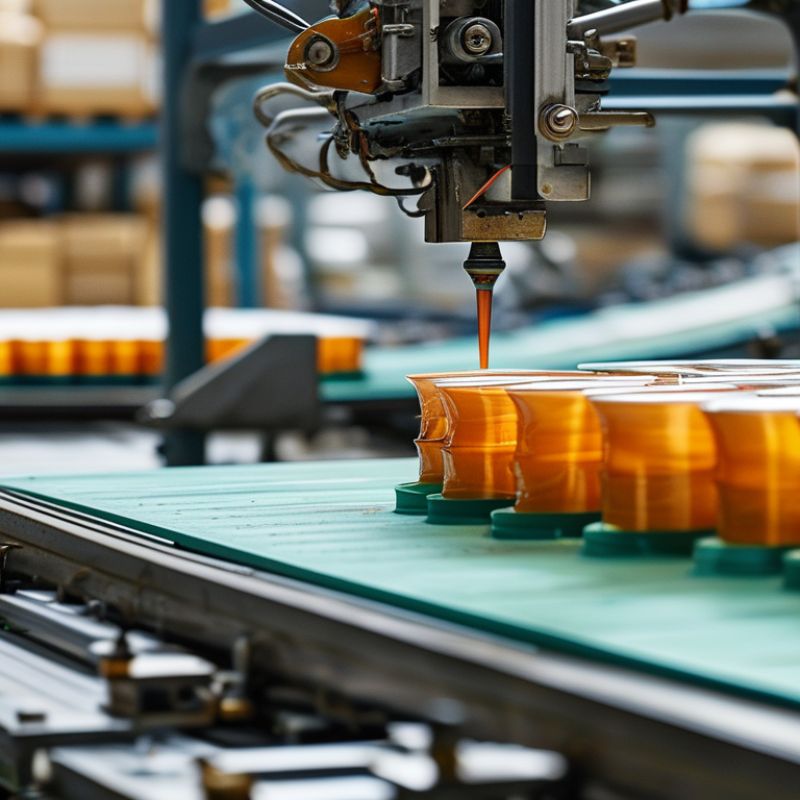
Why Are Manufacturers Upgrading Packaging Lines Today?

The Growing Demand for Sustainable Packaging Solutions in Manufacturing

The need for sustainable packaging solutions has never been greater. Manufacturers are increasingly aware of their environmental impact. Traditional packaging methods often use materials that harm our planet. As consumers demand more eco-friendly options, manufacturers must adapt.

Many companies are exploring biodegradable materials. These alternatives break down more easily and reduce landfill waste. However, adopting new materials can pose challenges. Not all sustainable options deliver the same performance as conventional materials. This inconsistency can complicate production processes. Manufacturers must carefully test these materials to ensure they meet quality standards.

Investing in sustainable packaging technology is essential. Automated systems can enhance efficiency and reduce waste. Yet, integrating new technologies may require significant adjustments. Staff training becomes vital to ensure a smooth transition. Despite these hurdles, the shift toward sustainability represents an opportunity. Embracing eco-friendly packaging aligns with consumer values while promoting long-term growth.

Impact of E-commerce Growth on Packaging Line Efficiency and Upgrades

The rise of e-commerce has fundamentally transformed packaging line efficiency. In 2022, online sales accounted for over 20% of global retail revenue, reflecting consumers’ shifting purchasing habits. This surge is driving manufacturers to rethink their packaging processes. As more products are sold online, the demand for speed and automation in packaging lines has increased.

To maintain competitiveness, companies are investing in technology upgrades. Automation can reduce packaging time by up to 30%. Additionally, a report from Smithers shows that 77% of e-commerce businesses plan to invest in sustainable packaging solutions. These advancements not only improve efficiency but also address consumer preferences for environmentally friendly options. However, integrating new technologies can be challenging.

Many manufacturers face hurdles, such as high initial costs and training requirements for staff. Adopting new systems might lead to temporary disruptions. Yet, the long-term benefits often outweigh these initial setbacks. Companies must be aware of the balance between immediate operational efficiency and the necessary learning curve. Each upgrade should be evaluated for its impact on overall productivity.

Technological Innovations Driving Manufacturers to Enhance Packaging Lines

Today’s manufacturers face increasing pressure to innovate. Technological advancements play a pivotal role in this trend. Automation is reshaping the packaging landscape. Robotic systems enhance efficiency, reducing labor costs. These systems also streamline production lines, minimizing downtime. Enhanced precision in packaging leads to fewer errors and waste.

Artificial intelligence tools optimize packaging design. They analyze consumer behavior to inform choices. Smart sensors monitor machinery performance in real-time. This proactive approach ensures that equipment runs smoothly. However, integrating these technologies is not without challenges. Staff may resist change. Training programs are essential, yet time-consuming.

Sustainability is also a driving force. Biodegradable materials are becoming a norm. Manufacturers explore eco-friendly packaging solutions. This transition can be complex and costly. Nonetheless, the shift meets consumer demand for greener options. Balancing innovation with these challenges remains a key focus for manufacturers.

Why Are Manufacturers Upgrading Packaging Lines Today?

Regulatory Changes and Their Influence on Packaging Standard Upgrades

In recent years, manufacturers have faced significant regulatory changes that demand upgraded packaging standards. These updates are driven by increased safety regulations and environmental concerns. For instance, the global packaging market is expected to reach $1 trillion by 2024, highlighting the industry's rapid growth and the need for compliance with evolving regulations.

A report from Smithers Pira indicates that nearly 35% of companies cite regulatory adherence as their primary reason for upgrading packaging lines. Regulatory bodies are now more focused on sustainability. This is prompting businesses to consider eco-friendly materials and practices. Upgrading to compliant packaging solutions is not merely a legal formality; it directly influences consumer perception and brand loyalty.

Additionally, manufacturers must evaluate the effectiveness of their current packaging processes. Many report struggles with outdated technology that hampers compliance efforts. Investing in modern equipment can be costly, but the risks associated with non-compliance can be even greater. Failure to meet regulations may lead to fines and reputational damage. Addressing these challenges requires careful planning and an openness to innovation.

Cost-Benefit Analysis of Upgrading Packaging Lines in Competitive Markets

In today's competitive market, manufacturers face constant pressure to improve efficiency and reduce costs. Upgrading packaging lines becomes a vital strategy in this context. A cost-benefit analysis reveals that while the initial investment may seem substantial, the long-term gains often outweigh the expenses. Enhanced automation increases speed and reduces labor costs. Efficiency gains can lead to significant savings over time.

However, the decision to upgrade is not straightforward. Companies must consider the technology's compatibility with existing processes. Integrating new systems can disrupt production. Maintaining quality during transitions presents another challenge. Additionally, there is the risk of investment in technology that may quickly become outdated. Manufacturers must weigh these factors carefully.

Another aspect to consider is the emerging trend of sustainability. Modern upgrades often include eco-friendly packaging solutions. This meets consumer demand for greener products and can lower waste disposal costs. However, balancing sustainability and cost can be tricky. Companies need to ensure that their upgrades align with both their budget and their environmental goals. The path to upgrading is fraught with challenges, making a thoughtful approach essential.

FAQS

: Why is there a growing demand for sustainable packaging?

: Consumers are increasingly requesting eco-friendly options. Manufacturers recognize their environmental impact and seek to adapt.

What materials are companies exploring for sustainable packaging?

Many companies are looking into biodegradable materials. These options break down easier and reduce waste in landfills.

What challenges come with adopting sustainable materials?

Not all sustainable options perform like traditional materials. This variability complicates production processes.

How can manufacturers enhance efficiency in packaging?

Investing in automation is key. Robotic systems streamline production, reduce labor costs, and minimize errors.

What role does technology play in packaging design?

Artificial intelligence helps tailor packaging to consumer behavior. Smart sensors monitor machinery for optimal performance.

Why is staff training critical when adopting new technologies?

Change can be met with resistance. Effective training ensures staff can adapt smoothly, though it takes time.

What is a significant risk of transitioning to new materials?

The shift to biodegradable options can be complex and costly. It may disrupt existing production workflows.

How can manufacturers balance innovation and sustainability?

They must continually evaluate the benefits of new technologies against production challenges and consumer demand.

What opportunities does sustainable packaging present?

Embracing eco-friendly practices aligns with consumer values. It can drive long-term growth, despite initial hurdles.

Conclusion

Manufacturers are increasingly focused on upgrading packaging lines to meet the demands of a rapidly changing market landscape. One key reason for this trend is the growing demand for sustainable packaging solutions, driven by both consumer preferences and environmental considerations. Additionally, the rise of e-commerce has necessitated improvements in packaging line efficiency, allowing manufacturers to handle increased order volumes while ensuring product integrity.

Technological innovations play a significant role in why manufacturers are upgrading packaging lines, as automation and advanced machinery can enhance production capabilities and reduce labor costs. Moreover, regulatory changes require manufacturers to adhere to new standards, prompting updates to packaging processes. A comprehensive cost-benefit analysis reveals that strategic upgrades can provide competitive advantages in the market, ultimately making a strong case for investment in modernized packaging lines.

Sophia

Sophia

Sophia is a dedicated marketing professional with an exceptional depth of knowledge about her company's products and services. With a keen understanding of market trends and customer needs, she crafts insightful blog posts that not only inform but also engage readers, enriching the company’s online......