What Industries Rely on Packaging Machinery the Most?

Time:2026-06-22 Author:Aria
0%

In the complex landscape of manufacturing, understanding "what industries use packaging machinery the most" is essential. According to packaging expert Sarah Thompson, "The right machinery can significantly enhance productivity and reduce waste." Her insights highlight how critical packaging machinery is across various sectors.

Industries such as food and beverage, pharmaceuticals, and cosmetics rely heavily on effective packaging solutions. For example, the food industry uses advanced sealing technologies to ensure freshness. Similarly, the pharmaceutical sector must maintain stringent standards for safety and compliance. In cosmetics, visually appealing packaging attracts consumers, making machinery an integral part of marketing strategies.

Yet, many businesses overlook the need for regular updates in their packaging processes. Investing in the latest machinery can lead to higher efficiency and sustainability. However, adapting to new technologies brings challenges and requires careful consideration. Understanding these nuances is key for industries looking to thrive in a competitive market.
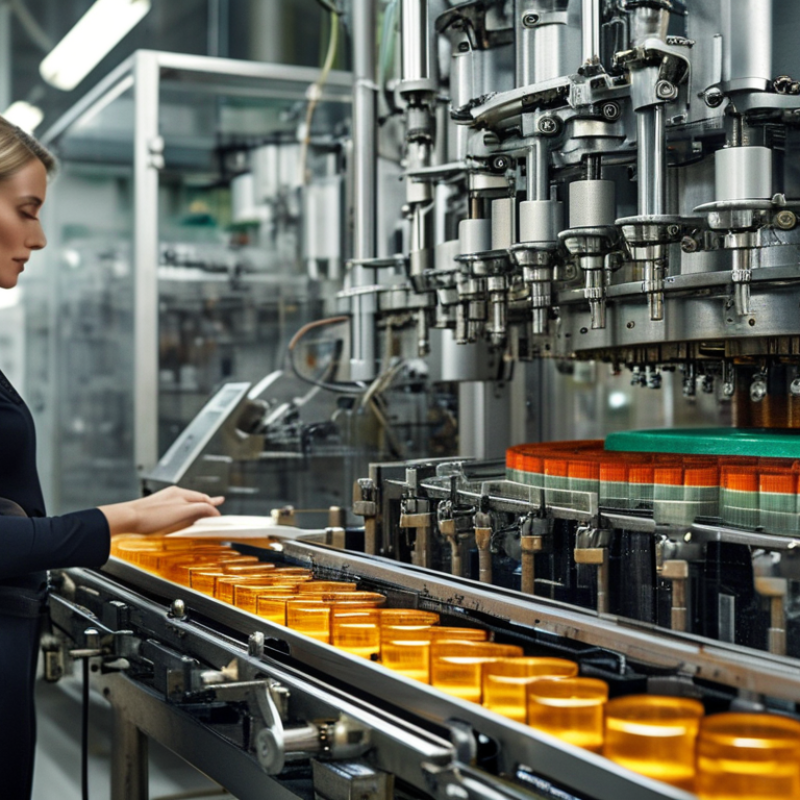
What Industries Rely on Packaging Machinery the Most?

Industries with Heavy Dependence on Packaging Machinery

The packaging machinery sector plays a pivotal role in various industries. Food and beverage manufacturing relies heavily on efficient packaging. These products must remain fresh and safe for consumers. Automated packaging systems help achieve high speed and accuracy. They reduce human error and enhance productivity. In this sector, the demand for sustainable packaging solutions is growing. Companies are under pressure to reduce waste and use eco-friendly materials.

Pharmaceuticals also depend greatly on packaging machinery. Safety and compliance are crucial in this industry. Medicines require specific packaging to ensure dosage accuracy and protection against contamination. This complexity increases the need for advanced technology. Additionally, consumer goods companies invest in packaging machinery. Innovative designs attract buyers and differentiate products. Eye-catching packaging can influence purchase decisions significantly.

While industries see clear benefits, challenges remain in adapting to new regulations. Ensuring machinery meets safety standards takes time and resources. Some manufacturers struggle with initial costs of advanced technologies. Balancing quality with cost-efficiency can be difficult. These factors require continuous assessment and strategic planning. Thus, industries must evolve to stay competitive, highlighting the importance of packaging machinery in their operations.

Overview of the Food and Beverage Industry's Packaging Needs

The food and beverage industry is a major player in the packaging machinery market. According to a report by Research and Markets, this sector is projected to reach $50 billion by 2025. Efficient packaging helps ensure product safety, extends shelf life, and enhances consumer appeal. This industry heavily relies on automation and innovation to keep up with growing demands.

Automation in packaging machinery reduces labor costs. However, many small businesses struggle to adopt these technologies. A survey conducted by PMMI, The Association for Packaging and Processing Technologies, revealed that 60% of food manufacturers plan to invest in automated solutions over the next five years. Yet, there remains a knowledge gap in how to implement these technologies effectively.

Sustainability is another pressing concern. Consumers increasingly demand eco-friendly packaging. A study by McKinsey noted that about 65% of consumers prefer brands with sustainable practices. However, many companies still use traditional materials. This highlights a need for change, which can be both challenging and costly. Investing in sustainable machinery could bridge this gap, but the path is not always clear.

Pharmaceutical Sector: The Critical Role of Packaging Machinery

In the pharmaceutical sector, packaging machinery plays a vital role. It ensures that medicines are produced, stored, and delivered safely. This industry relies on precise and reliable machines to maintain product integrity. Packaging serves as a protective barrier against contamination. It also helps to convey important information to users.

Pharmaceutical packaging requires high standards. Machines must comply with strict regulations. These regulations cover safety, stability, and shelf life. Flaws in packaging can lead to serious issues, including medication errors. Companies must regularly assess their machinery for effectiveness and compliance. This assessment helps in identifying areas for improvement.

Tips for the pharmaceutical industry: Consider automated solutions for greater accuracy. Automating can reduce human error during packaging. Regular training for staff is essential. Knowledgeable employees are crucial for maintaining high quality. Always keep an eye on evolving regulations and adapt accordingly. Staying ahead is vital in this constantly changing sector.

Consumer Goods: Trends in Packaging Automation and Machinery

Packaging automation is becoming essential in the consumer goods sector. According to a report by MarketsandMarkets, the global packaging automation market is expected to reach $69.79 billion by 2025. This growth is driven by rising demand for efficient packaging solutions that can keep up with consumer expectations.

Companies are integrating advanced machinery to improve efficiency. For instance, carton sealers and palletizers significantly cut down manual labor. A recent study from Smithers showed that automation could reduce packaging time by up to 25%. However, adopting new technologies also presents challenges. Many companies struggle with employee training and system integration.

Sustainability trends are influencing packaging machinery decisions. Consumers are demanding eco-friendly solutions. Research from Mordor Intelligence indicates that sustainable packaging is growing at a CAGR of 5.6% annually. This shift is prompting machinery producers to innovate. Yet, some companies hesitate, fearing high initial costs. Balancing eco-friendly practices with profitability remains a hurdle in this evolving landscape.

Emerging Industries: Packaging Machinery in E-commerce and Retail

In recent years, e-commerce and retail industries have witnessed exponential growth. This surge has significantly increased the demand for advanced packaging machinery. Studies show that the global packaging machinery market is projected to reach $60 billion by 2027, fueled largely by e-commerce. This growth reflects how essential efficient and innovative packaging solutions are to retailers wanting to enhance customer satisfaction.

The integration of technology in packaging processes is crucial. For instance, automated packing systems can reduce errors and increase speed, addressing common pain points. According to a report by Smithers Pira, 57% of packaging operations now focus on automation to meet customer demands efficiently. However, companies often struggle to adapt to rapid changes, creating gaps in service and production efficiency.

Tips: Always research machinery based on specific needs. Customized solutions often lead to better results. Regular training for staff on new technologies is vital to optimize performance. Emphasizing adaptability can prevent potential setbacks due to unexpected market shifts. Communication between teams ensures smoother transitions and greater efficiency.

FAQS

: What is the importance of packaging in the food and beverage industry?

: Packaging ensures product safety, extends shelf life, and enhances consumer appeal. It's critical for industry success.

How does automation impact packaging machinery in the food sector?

Automation reduces labor costs. Many are investing in automated solutions, but small businesses often face challenges.

What is a major challenge for food manufacturers adopting automation?

There is a significant knowledge gap. Many firms lack effective strategies to implement these technologies.

Why is sustainability significant in packaging?

Consumers increasingly prefer eco-friendly packaging. About 65% of them favor brands that practice sustainability.

What are some issues with traditional packaging materials?

Many companies still rely on outdated materials. Transitioning to sustainable options can be challenging and costly.

Why is packaging vital in the pharmaceutical sector?

It ensures safe production, storage, and delivery of medicines while protecting against contamination.

What can packaging flaws lead to in pharmaceuticals?

Flaws can result in medication errors, making regular machinery assessments essential for compliance and effectiveness.

How can automation help in the pharmaceutical industry?

Automation increases packaging accuracy, reduces human error, and enhances efficiency, benefiting overall quality control.

What challenges do companies face with packaging automation?

Employee training and system integration often prove difficult, hindering the adoption of new technologies.

How does the push for sustainability affect packaging machinery decisions?

Rising demand for eco-friendly solutions drives innovation, but initial costs can deter companies from adopting sustainable practices.

Conclusion

The article "What Industries Rely on Packaging Machinery the Most?" explores the crucial role that packaging machinery plays across various sectors. The food and beverage industry stands out with its significant packaging demands, emphasizing the importance of efficiency and hygiene. Similarly, the pharmaceutical sector highlights how critical packaging machinery is in ensuring product safety and compliance with stringent regulations.

Furthermore, the consumer goods industry is witnessing a shift towards automation in packaging processes, aligning with current market trends. Additionally, emerging industries such as e-commerce and retail have increased their reliance on advanced packaging machinery to meet fast-growing consumer expectations for convenience and sustainability. Overall, the piece effectively answers the question of what industries use packaging machinery the most by examining these key sectors and their packaging needs.

Aria

Aria

Aria is a dedicated marketing professional with a deep passion for innovative strategies and a keen understanding of our company's product offerings. With a wealth of experience in the industry, Aria excels at crafting engaging content that highlights the unique features and benefits of our......