In the fast-paced world of manufacturing, efficiency is key. However, many businesses face hurdles along their packaging lines. Understanding what are common packaging line challenges can significantly enhance productivity. From equipment malfunctions to poor layout designs, each challenge carries its unique set of complications.
These issues often lead to delays and increased operational costs. For instance, a bottleneck in the line can slow down the entire process. Workers may feel frustrated, impacting morale. Recognizing these problems is the first step toward finding effective solutions.
To improve processes, companies must adopt a proactive approach. This involves regular maintenance checks and training sessions for employees. It's also vital to analyze workflow for potential improvements. By addressing these challenges head-on, businesses can streamline operations and boost their bottom line.
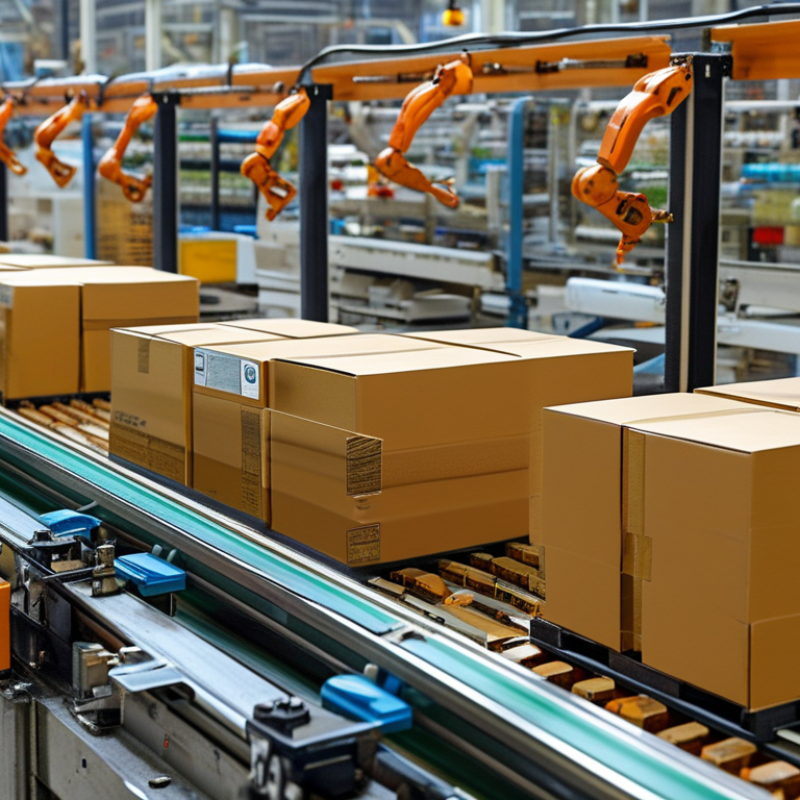
Packaging lines are critical for efficiency in production and distribution. However, they face various common challenges. One major issue is equipment downtime. When a machine malfunctions, it halts the entire line. Regular maintenance checks can help mitigate this risk. It’s essential to train staff thoroughly in troubleshooting and basic repairs. This prepares them to respond quickly to issues that may arise.
Another challenge is product variability. Different product sizes and shapes can lead to bottlenecks in the packing process. Utilizing adjustable machinery can provide flexibility in handling diverse products. In addition, consistent quality control checks are necessary. Small discrepancies can lead to larger problems later in the distribution process. Workers should be trained to identify these issues early on.
Supply chain disruptions can also affect packaging lines. Delays in receiving packaging materials can stall production. Building relationships with multiple suppliers can ensure availability. However, this approach requires careful management to maintain quality and consistency. Regular communication within the supply chain is crucial. This fosters a proactive environment for addressing potential challenges.
| Challenge | Description | Solution |
|---|---|---|
| Downtime | Equipment breakdowns or maintenance causing halts in production. | Implement regular maintenance schedules and predictive maintenance technology. |
| Poor Workflow | Inefficient layout leading to longer cycle times. | Analyze workflow and optimize layout for smoother transitions. |
| Inconsistent Quality | Variability in packaging quality affecting customer satisfaction. | Implement quality control processes and staff training programs. |
| Material Waste | Excess materials leading to increased costs and environmental impact. | Utilize efficient packaging designs and recycling programs. |
| Labor Shortages | Difficulty in hiring and retaining qualified workers. | Enhance hiring strategies and provide competitive benefits. |
| Regulatory Compliance | Keeping up with changing regulations affecting packaging. | Stay informed on regulations and adapt processes accordingly. |
| Automation Challenges | Integrating new automation technologies and retraining staff. | Provide comprehensive training and phased integration plans. |
| Supply Chain Disruptions | Delays in receiving materials leading to production halts. | Diversify supplier base and maintain safety stock. |
| Insufficient Training | Workers lack adequate skills leading to errors and inefficiencies. | Invest in regular training and development programs. |
: Common causes include equipment malfunctions, workforce issues, and material waste. These can create delays and increase costs.
Conducting regular maintenance checks minimizes breakdowns. This proactive approach can greatly enhance overall productivity.
Engaging workers to report issues fosters a proactive environment. Addressing problems promptly boosts efficiency and morale.
Inefficient material handling can lead to waste. Analyzing packaging materials ensures they suit products and reduces unnecessary costs.
Technology can boost productivity significantly. Automation and analytics improve monitoring and address inefficiencies quickly.
Unplanned downtime can cost manufacturers over $260,000 per hour. Preventive measures are essential to minimize these costs.
Predictive maintenance uses machine learning to foresee failures. This helps in taking preventative measures before issues arise.
Transitioning to automation can be daunting. Organizations must consider employee training along with technology adoption.
Human oversight is crucial for monitoring and troubleshooting. Balancing technology with expertise yields the best workflow.
Encouraging discussions within the team helps share insights. This collective knowledge strengthens the overall packaging process.
The article "10 Common Packaging Line Challenges and How to Overcome Them" explores the various inefficiencies that can arise in packaging processes. It starts by identifying what are common packaging line challenges, such as equipment malfunctions, workflow bottlenecks, and inadequate staff training. Understanding these issues is crucial for improving overall performance.
To address these challenges, the article suggests implementing effective solutions tailored to the specific inefficiencies identified in the workflow. Additionally, it emphasizes the importance of training staff to ensure optimal performance on the packaging line. Finally, leveraging technology can significantly enhance packaging line efficiency, allowing for smoother operations and increased productivity. By focusing on these areas, businesses can overcome the common hurdles they face in packaging processes, leading to improved outcomes and profitability.

 Econe Machinery